.png)
Upcoming Technologies in Finance and Accounting
Technology has changed every field drastically and Accounting and Finance is not an exception. Accounting is a very important part of any business and it will have to keep pace with changing technologies and change itself.
If you are in Accounting and Finance field you will have to learn these upcoming technologies if you want to be relevant in coming decade. It is closer than it looks. You will have to start now. This article will get you started as we will give you gist of things to come in Accounting. If you will take interest in technology you will have edge over others. Whether you are just starting out or have been in this field for long, everyone will have to study it. Companies will have to pay attention and invest so that they don’t stay behind.
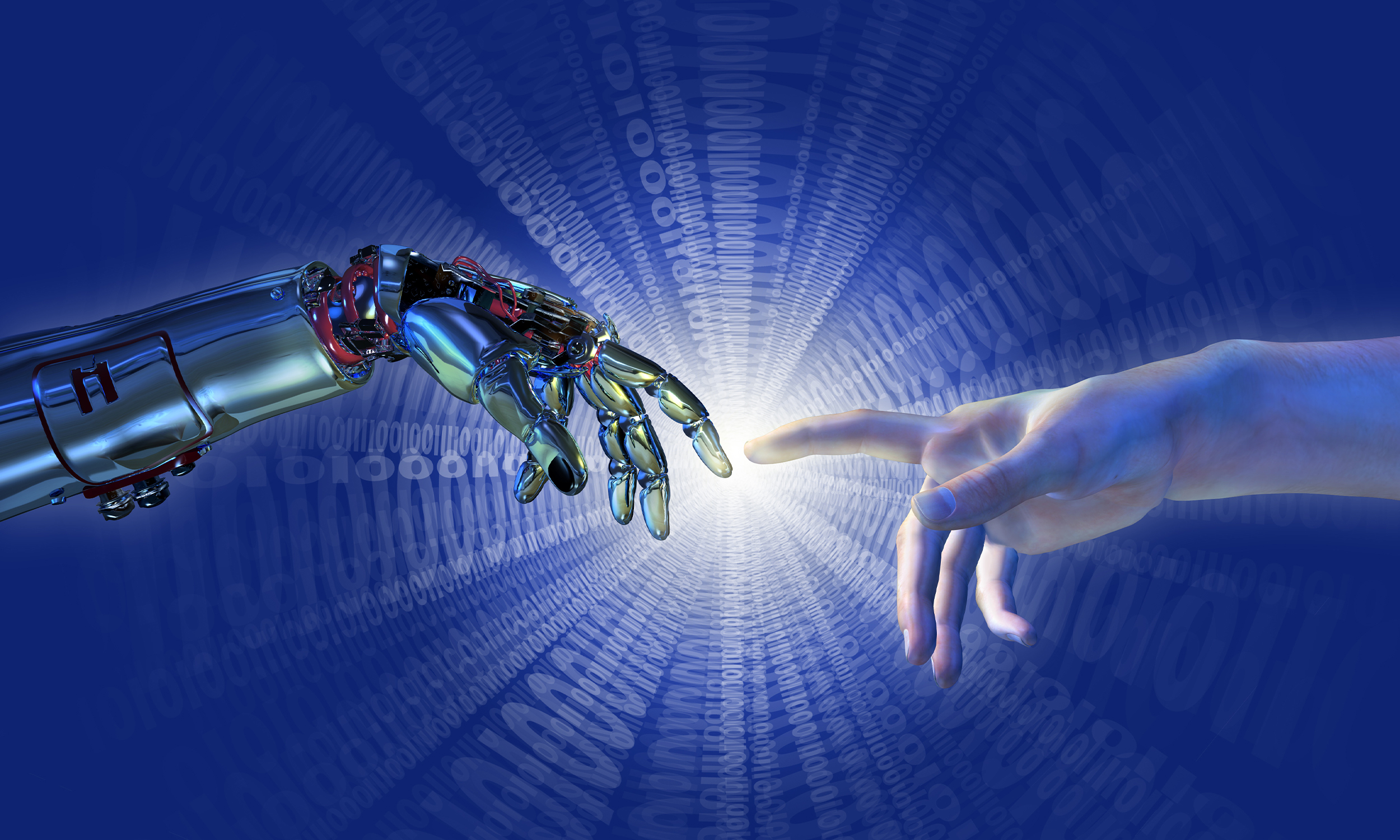
Businesses expect their Chartered Accountants to work with them in this journey. So CAs and other financial consultants will have to upgrade their skills in technology.
You can not run away from technology and it will be central part of what you do.
Developing a strong understanding of cloud computing, blockchain systems, automation software, artificial intelligence, machine learning, and other related technologies can boost your professional value in today’s industry and help you land the clients for a successful career.
So lets start to study Accounting technology trends to keep up with.
Cloud computing
You all must have used Cloud computing already but may not have noticed it.
Basically, Cloud computing is the storage and accessibility of data online rather than on a hard drive. Google drive, Google sheets or other web-based softwares are all examples of cloud computing.
Cloud computing is convenient. You can access same data from anywhere and from any device. You can start at home, the work exactly where you had left it, in office. As now data and software is not in office server but on central server which you can access from home, while travelling or any other place.
You can collaborate with your colleagues, both of you can access same file. There is no sending of files on emails or keeping different versions on different machines.
Zoho books, Quickbooks, Xero are examples of Accounting softwares which are in cloud.
Nowadays various Payroll softwares are also on cloud.
Cloud softwares are subscription based and various options are available based on options of tools you want to use and amount of your data.
Blockchain technology
Blockchain technology is new buzz word.
In simple terms, Blockchain is a shared, immutable ledger that facilitates the process of recording transactions and tracking assets in a business network. An asset can be tangible (a house, car, cash, land) or intangible (intellectual property, patents, copyrights, branding). Especially in the financial sector, blockchain technology will transform entire industries.
Currently we use double-entry bookkeeping system. Accountants keep records and auditors verify it later. With blockchain technology, there’s no longer a need for this kind of redundancy, since the data are verified without another party. There will be automated digital audit of each transaction.
In current system, every party involved in a transaction keeps its won independent records. So there will be differences and need for reconciliation.
In Blockchain due to modern encryption methods there will be common data retention infrastructure. That means it allows both sides of a transaction to be recorded at the same time in a shared ledger.
Automated accounting technology
Will you believe that in future there will be no data entry. Data entry jobs will be replaced by technology. It will cut down the time spent on manual entries and will reduce errors. It will be very efficient system. There will be demand for Accountants who will be virtual controllers of such automated accounting systems.
Accountants will move to jobs where they will analyse the data and guide management in decision making. They will move to strategic roles.
Optical character recognition
This technology was first introduced in 2016 in accounting and taxation field.
OCR stands for "Optical Character Recognition." It is a technology that recognizes text within a digital image. It is commonly used to recognize text in scanned documents and images. OCR software can be used to convert a physical paper document, or an image into an accessible electronic version with text.
OCR in an accounting software will facilitate the performance of a simple digital search to find the information needed. It is possible to digitally copy or edit information as required. It will save lot of time right now being spent on organisation of documents.
AI and machine learning in accounting
Now lets understand what is AI and Machine learning is and how it will change the accounting field.
Artificial intelligence in accounting
Artificial Intelligence means the ability of a digital computer or computer-controlled robot to perform tasks commonly associated with intelligent beings.
According to Forbes reporting that AI use may improve productivity by 40%.
In the field of accounting, Accountants spend a lot of time in repetitive routine tasks such as auditing, payroll, uploading files, and sorting through large data and now AI can perform these jobs easily and faster.
Machine learning in accounting
Machine learning is a subfield of artificial intelligence, which is broadly defined as the capability of a machine to imitate intelligent human behaviour.
Algorithms play a major role here. Patterns are identified. Any deviation in it can be caught in fraction of a second. There is no scope for miscalculation. Mistakes will be caught at early stages. It will result in accurate reporting, faster reporting.
Now is a great time for you to start if you are an aspiring accountant interested in learning these emerging accounting technology trends.
Disclaimer: The information contained in this website is for general information purposes only. The information is provided by PracticeGuru and while we endeavour to keep the information up to date and correct, we make no representations or warranties of any kind, express or implied, about the completeness, accuracy, reliability, suitability or availability with respect to the website or the information, products, services, or related graphics contained on the website for any purpose. Any reliance you place on such information is therefore strictly at your own risk. In no event will we be liable for any loss or damage including without limitation, indirect or consequential loss or damage, or any loss or damage whatsoever arising from loss of data or profits arising out of, or in connection with, the use of this website.
Grow your practice with PracticeGuru




Write for PracticeGuru
Send your articles to [email protected]. We publish them on our website with credit to you. Read all articles.
